
iLuvVivid Design Talk|Deciphering the 10-Digit “ID Card” of Colors
Aesthetic of Makeup|Deciphering the 10-Digit “ID Card” of Colors
Artisan Paint · Imported Artisan Paint Brands · Top 10 Artisan Paint Brands · Luxury Artisan Paint · High Value Artisan Paint
What is the Vivid code ?
(Video content:
Decoding the “Vivid Code”
What is color? Is it a feeling, or a subjective opinion?
This is the biggest challenge in design. How do we ensure that the color imagined is exactly the one that appears on the wall?
The Vivid Code from Aituzhuang can provide the answer. We transform subjective feelings into objective data.
This ten-digit code is the universal language of color, built upon five dimensions.
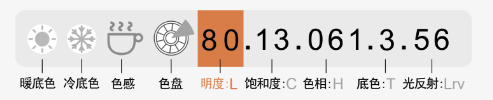
The first three numbers are LCH:
L stands for Lightness, indicating how light or dark a color is, ranging from 0 to 100. 0 is pure black, 100 is pure white.
C stands for Chroma, representing the purity or vividness of a color. It also ranges from 0 to 100. 0 is gray and nearly colorless, while 100 is the purest, most intense state of a color.
H stands for Hue, the family of a color, pinpointing its exact position on the 360-degree color wheel.
T represents the undertone or temperature of a color. Every color has an undertone—its hidden warmth. Warm undertones come from red and yellow, while cool undertones come from green and blue.
If you want a harmonious effect, use colors from the same temperature. If you aim to create highlights or contrast, pair warm colors with cool ones.
LRV stands for Light Reflectance Value, a percentage showing how much light a color reflects.
When all this data comes together, it precisely defines a feeling—what we call CARE Color Psychology:
Comfort offers nurturing, peaceful, and healing colors—bright and relaxing hues that bring a sense of well-being.
Authority exudes confidence, professionalism, and control—deeper, more stable colors that make a space feel calm and secure.
Elegance provides luxury, sophistication, and timeless grace—often colors with higher saturation that lend nobility and refinement to a space.
Energy creates vibrant, dynamic environments that inspire passion—bright and intense colors that bring vitality and personality to a space.
The Vivid Code turns color from guesswork into precision. Use it to identify, coordinate, and drive your design.)

The Emergence of the “Vivid Code” System
As a designer, do you face a core challenge every day: how to translate abstract feelings described by clients—such as “happiness,” “security,” or “warmth”—into precise, implementable products?
This “translation” from subjective emotion to objective reality represents the highest value of design, yet it is also fraught with risks. The slightest color discrepancy can lead to rework.
The emergence of the “Vivid Code” system is precisely aimed at solving this challenge.
It is a comprehensive color quantification tool—a professional system that transforms subjective feelings into objective data. Its purpose is to eliminate uncertainty in color communication, empowering you to design with precision and confidence.
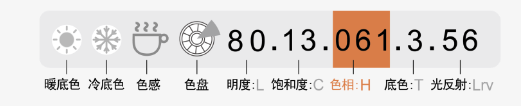
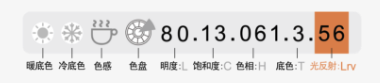
At the heart of the “Vivid Code” is a 10-digit code, serving as a unique “digital ID” for each color. Let’s take an example—80.13.061.3.56—and break it down professionally. This code consists of three core components: the physical coordinates of color (LCH), practical application variables in real environments (T & LRV), and the interpretation of color psychology (C.A.R.E.).

Vivid Code
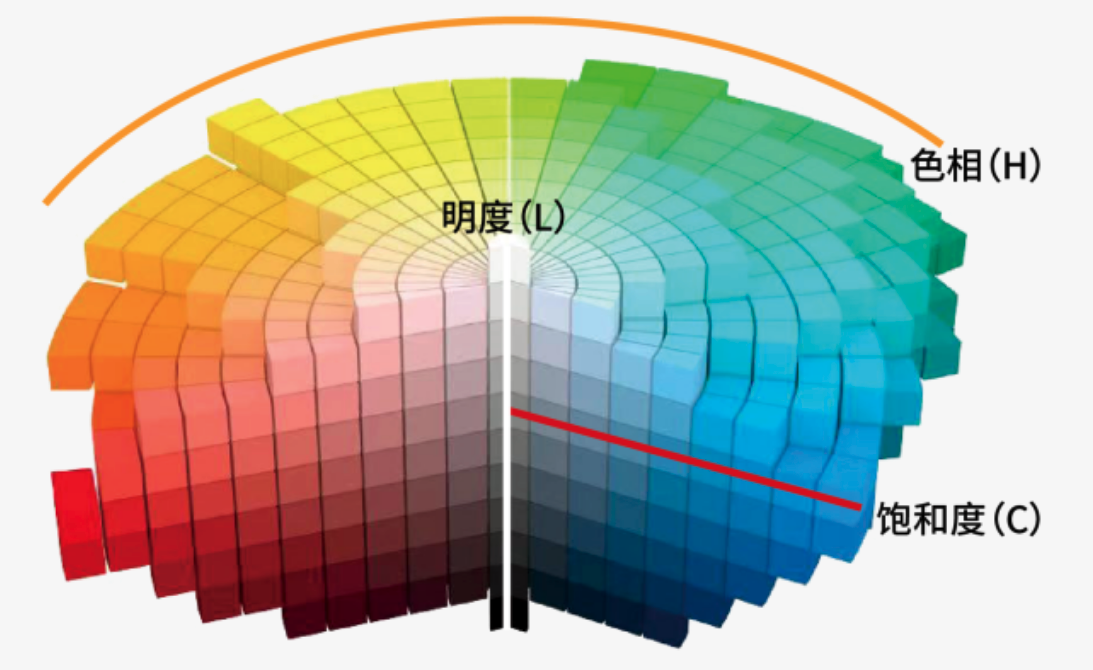
LCH: The Physical Coordinates of Color
LCH is an international standard in color science used to define colors. It provides three fundamental dimensions of color.
L=Lightness
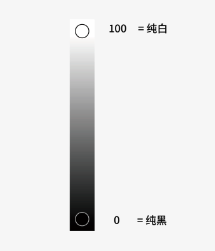
How bright is it? This defines the lightness or darkness of a color, ranging from 0 (pure black) to 100 (pure white).
C=Chroma

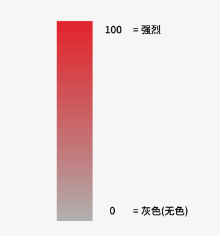
How “pure” is the color?
This is also known as the color’s purity, indicating how vivid or muted it is. The scale ranges from 0 (completely gray, devoid of color) to 100 (the purest, most intense state of that hue).
H=Hue
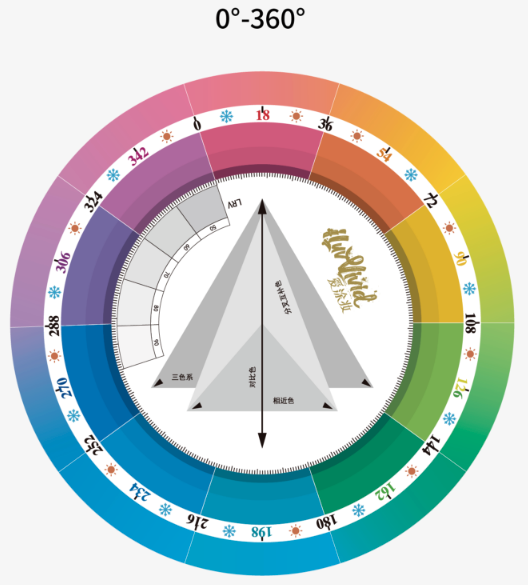
What color is it?
This defines the “family affiliation” of the color, i.e., its precise position on the 360-degree color wheel.
T=Temperature
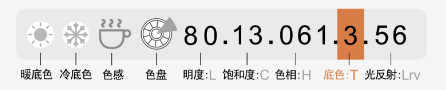
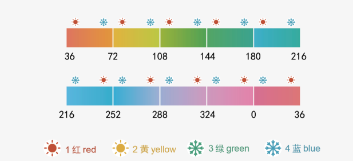
It reveals the hidden temperature attribute of the color—its “undertone.”
The Vivid Code system categorizes it clearly:
Warm tones reside in red/yellow.
Cool tones reside in green/blue.
This “undertone” is the scientific basis for achieving color harmony or contrast.
LRV= Light Reflectance Value
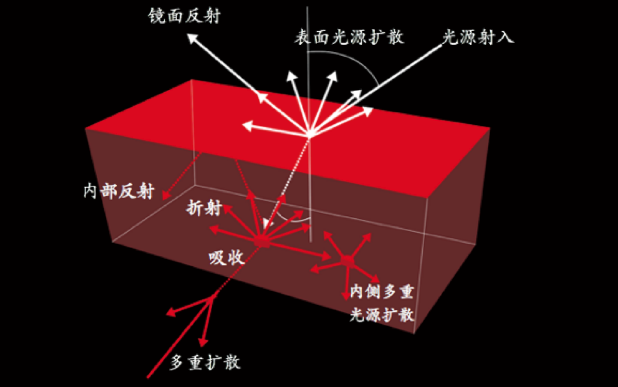
LRV is a percentage value ranging from 0 to 100, which precisely defines how much light a color reflects and how much it absorbs.
A color with a high LRV may appear too bright or even glaring in a well-lit space, while a color with a low LRV can look dull and lifeless in a room with insufficient lighting.
LRV serves as the technical assurance that the design effect meets expectations under any lighting conditions.
Confident Color Matching
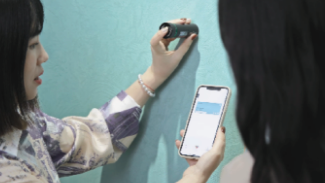
When your client next presents an abstract emotional need, you no longer have to guess. You can confidently retrieve the data and make precise selections from colors with corresponding data characteristics (such as low lightness or low saturation).
This is the power of building trust through data and realizing creativity through science.
Vivid Code — Confident Color Matching.
Why Choose iLuvVivid Artisan Paint?
We know you’re not just looking for paint—you want a partner to help elevate your space. iLuvVivid’s artistic coatings deliver stunning color with premium performance, making it easy to achieve your vision in one step.
Website: www.iLuvVivid.com
About Us